RESISTHorizon 2020MSCA-RISEGA 823746

Resurrection plants reveal secrets of vegetative desiccation tolerance

In this project we will use a variety of “-omics” approaches to study the molecular mechanisms used by several species of resurrection plants to withstand extreme drought. This knowledge will be subsequently translated to economically important crops. The ultimate goal is to obtain crop varieties which are more resistant to water deficit by breeding and other non-GMO technologies.

  • Genomics
  • Transcriptomics
  • Metabolomics
  • Lipidomics
  • Bioinformatics
  • Computational modelling
  • Biostimulants
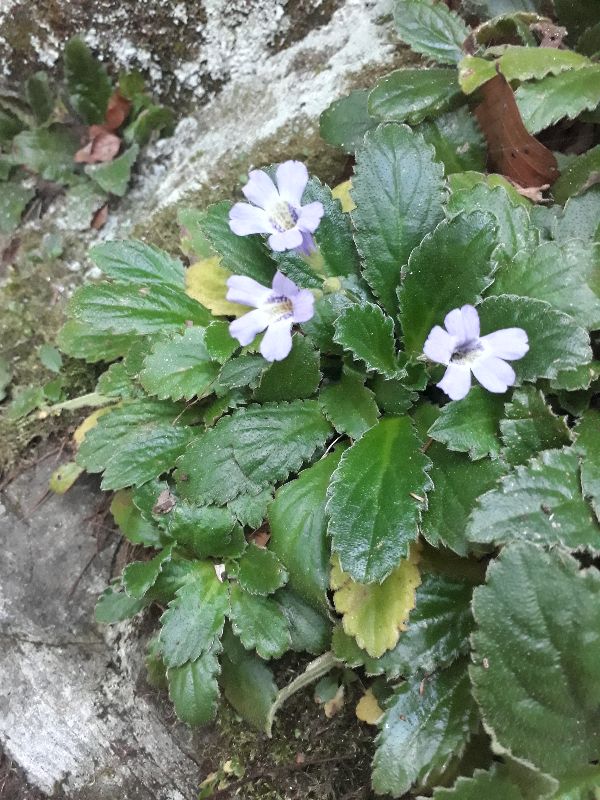
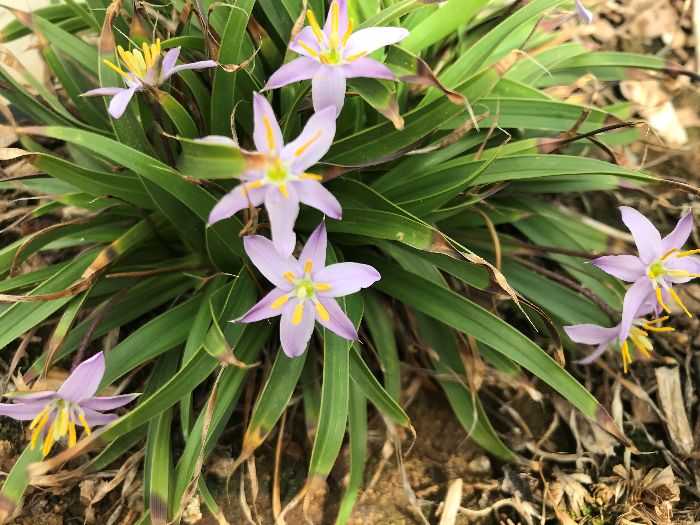
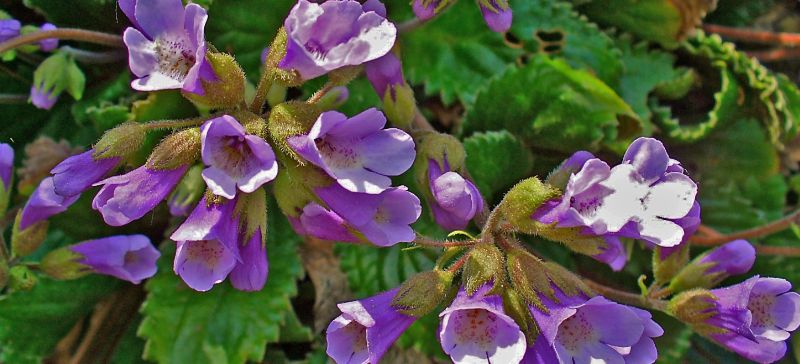
Flowering Haberlea rhodopensis plant in its wild habitat
Haberlea rhodopensisRhodope mountains, Balkan Peninsula
Flowering Xerophyta humilis in its wild habitat
Xerophyta humilisSouth Africa & Namibia

Research approach

From resurrection plants to crops

The newly acquired fundamental knowledge on resurrection plants will be translated to economically important species.

All scientific objectives
  1. Resurrection plants

    They can dry down entirely during extreme drought and quickly resume growth and regain normal appearance after rehydration.

    Model species: Haberlea rhodopensis and Xerophyta

  2. Genomes & -omics

    Sequencing, assembly and annotation of the genomes of H. rhodopensis and X. elegans; comparative transcriptome, metabolome and lipidome analyses during desiccation.

    Objectives 1 · 3

  3. Mechanisms & models

    Genome comparison of extremophiles and mesophiles, functional analysis of drought-responsive genes, bioinformatics and computational modelling of desiccation tolerance.

    Objectives 2 · 5 · 6

  4. Crops

    Drought stress responses in model and crop species, and seaweed-based biostimulants to enhance yield, quality and post-harvest shelf life of crops.

    Objectives 4 · 7

Vegetative desiccation tolerance

Surviving desiccation

Water deprivation is a very common event for land plants and is among the leading causes of crop yield reduction worldwide. Most relevant crops are not tolerant to drought.

About resurrection plants
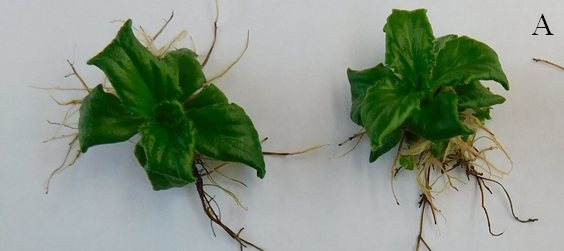
  • Two fully hydrated Haberlea rhodopensis plantlets with green, open leaves

    Fully hydrated A

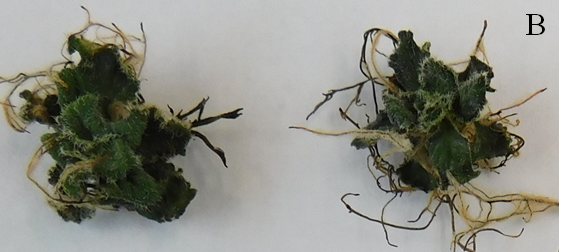
  • Two desiccated Haberlea rhodopensis plantlets with dark, shrivelled leaves

    Desiccated B

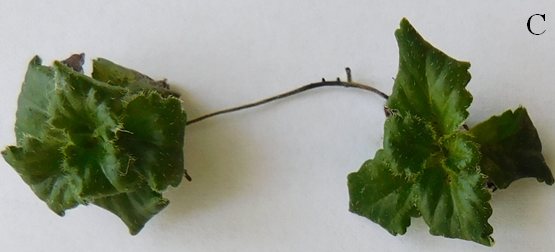
  • Haberlea rhodopensis plantlets two days after rehydration, with green leaves again

    2 days after rehydration C

Haberlea rhodopensis plants cultivated in vitro. A – fully hydrated; B – desiccated; C – 2 days after rehydration.

In the scientific community this extraordinary plant is best known for its remarkable desiccation tolerance, which allows it to survive the loss of 95% of the vegetative tissue relative water content for extended periods of up to 36 months. During this time photosynthesis is halted, but the photosynthetic machinery – including chlorophyll – is well-preserved. As a result, growth can be quickly resumed after rehydration.

On Haberlea rhodopensis, the “Orpheus flower”
of the vegetative tissue relative water content can be lost by H. rhodopensis
95%
months: the extended periods for which H. rhodopensis can survive this water loss
36
Xerophyta species across Africa, Madagascar and the Arabian Peninsula
~50

Goal and objectives

Seven scientific objectives

The major goal of RESIST is to unravel the genetic determinants of desiccation tolerance in resurrection plants and to identify similarities and differences with model and crop species.

Goal & objectives

  1. Resurrection plant genomes

    Sequencing, assembly, annotation and analysis of the genomes of the resurrection species Haberlea rhodopensis and Xerophyta elegans;

  2. Comparative genomics

    Comprehensive genome comparison of publicly available genomes of extremophile species (including the abovementioned resurrection plants) and mesophiles;

  3. Transcriptome, metabolome & lipidome

    Comparative transcriptome, metabolome and lipidome analyses of Haberlea rhodopensis and Xerophyta elegans during desiccation and other extreme stress conditions;

  4. Drought responses in model & crop species

    Detailed evaluation of the physiological and molecular drought stress responses in model and crop species and juxtaposition to those in resurrection plants;

  5. Functional analysis of genes

    Functional analysis of drought-responsive genes from the desiccation resistant Haberlea rhodopensis and Xerophyta sp.;

  6. Bioinformatics & computational modelling

    Bioinformatics and computational modelling of desiccation tolerance in angiosperm resurrection species;

  7. Seaweed-based biostimulants

    Assessment the potential of seaweed–based biostimulants to enhance yield, quality and post-harvest shelf life of stressed and unstressed crops and optimization of the treatment regimes.

Model species

Two resurrection plant models

An endemic species from the Balkan Peninsula and a genus of monocots from Africa: the resurrection plants at the centre of RESIST.

Purple, trumpet-shaped flowers of Haberlea rhodopensis
GesneriaceaeBalkan Peninsula

Haberlea rhodopensis

Also known as the “Orpheus flower”, an endemic species from the Balkan Peninsula that grows in the Rhodope mountains in southern Bulgaria and northern Greece in rocky, shady, and humid habitats.

Habitat
250 to 1400 m above sea level
Strategy
Homoichlorophylly (maintaining chlorophyll)

Read more
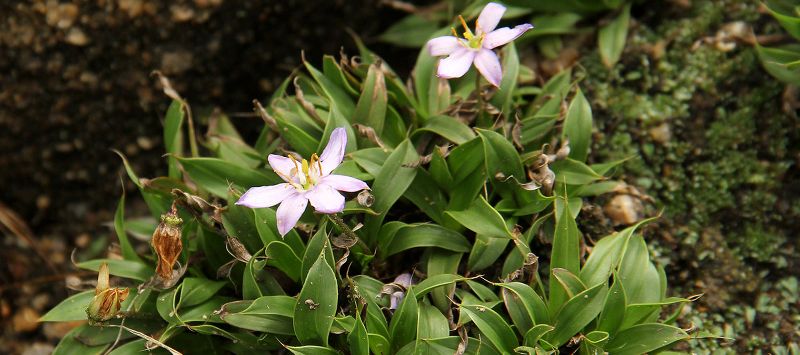
Xerophyta plant with narrow leaves and star-shaped pale flowers growing on a rocky slope
MonocotVelloziaceae

Xerophyta

A genus of monocot plants consisting of around 50 species found across Africa, Madagascar, and the Arabian Peninsula. All tested species display vegetative desiccation tolerance.

RESIST focus
X. humilis and X. elegans
Strategies
Poikilochlorophylly and homoichlorophylly

Read more

Consortium · Networking objective

Exchange of knowledge and technologies

Extensive exchange of knowledge and technologies related to resurrection plant research, genome analysis, comparative genomics, and bioinformatics between the European and South African partners, as well as between the academic institutions and the industrial representative BioAtlantis.

Partners
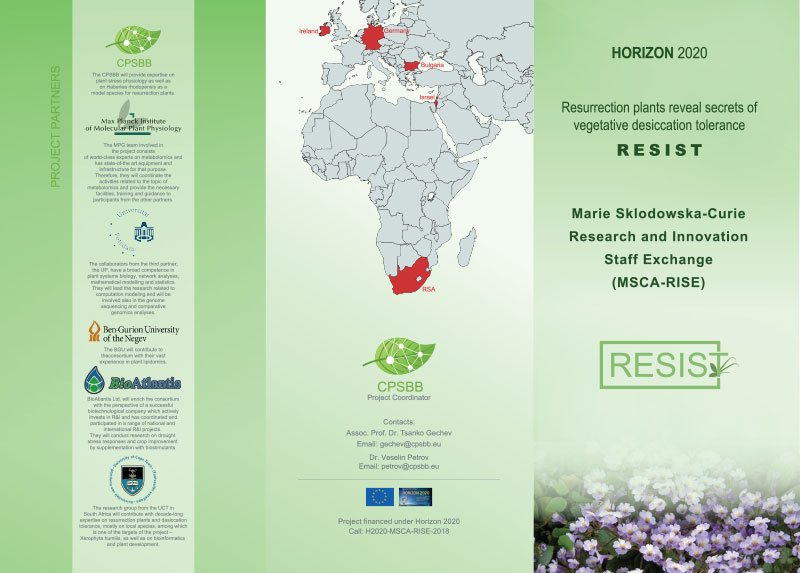
partner organisations
6
countries: Bulgaria, Germany, Israel, Ireland and South Africa
5
secondee profiles
33
events, workshops, courses and meetings
12

Events & training

Workshops, courses and meetings

Training events to enhance the transfer of knowledge between the partners, in fields such as plant -omics analyses, bioinformatics and mathematical modelling and soft skills.

All events & training
  1. Workshop

    Entrepreneurship and transferable skills

    BioAtlantis, University of Potsdam, CPSBB

  2. Course

    Plant stress physiology

    OnlineCPSBB

  3. Course

    Project writing and grant management

    OnlineCPSBB

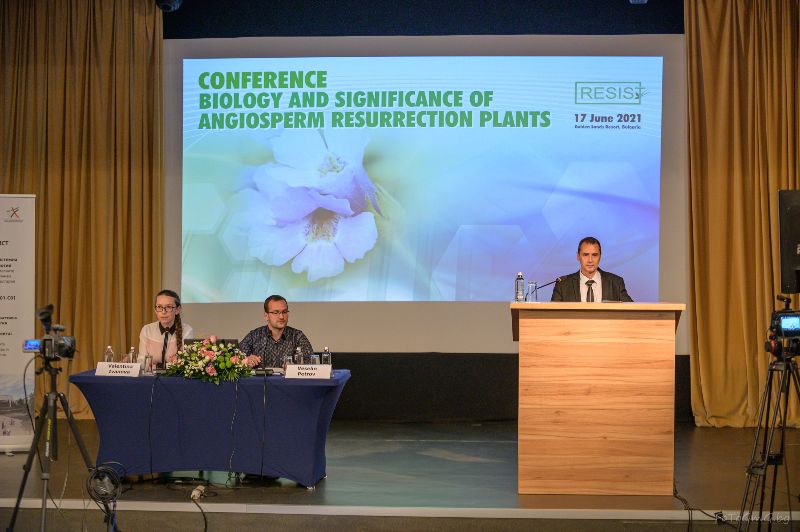
Opening of the conference Biology and significance of angiosperm resurrection plants
Conference17 June 2021

Biology and significance of angiosperm resurrection plants

Held at Golden Sands Black Sea resort, Bulgaria, together with the International Conference on Plant Systems Biology and Biotechnology. Four RESIST fellows presented results obtained during the project’s secondments.

Conference report

Publications

Recent publications

All publications

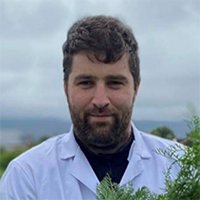
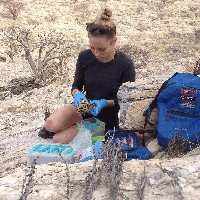
Secondees

Research and innovation staff exchange

Meet the researchers, technicians and managers from the partner organisations who took part in RESIST secondments.

  • Aakansha Kanojia
  • Alicja Wieteska Georgieva
  • Avanish Rai
  • Christine Osborn
  • Cian Mahony
  • David Hobby
  • Dimiter Kirkovski
  • Eugene Kabwe
  • Fiaz Rasul
  • Joanne Bentley
  • Keren Cooper
  • Kelly Shepherd
  • Liam Lumley
  • Lyudmil Tonchev

All 33 secondees

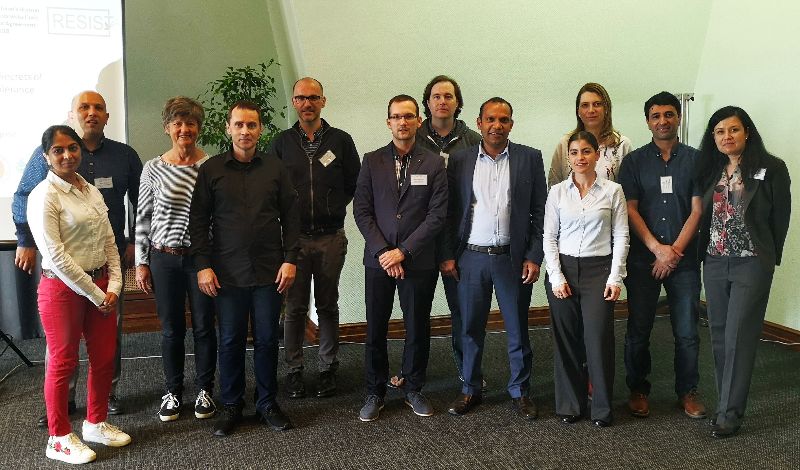
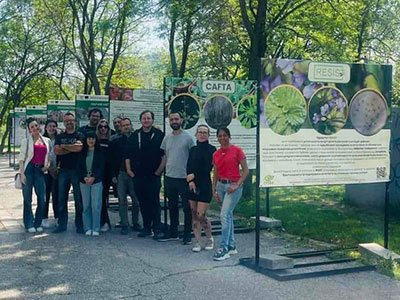
Group photograph of the main participants at the RESIST kick-off meeting
The main participants at the RESIST kick-off meeting, Plovdiv, April 2019.

Outreach

Showcasing RESIST to society

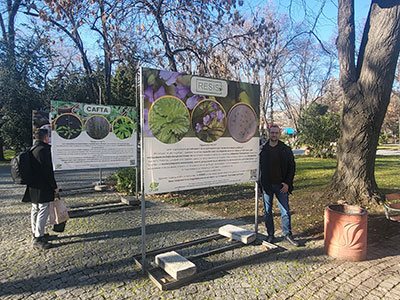
A public billboard exhibition in the City Garden Tsar Simeon of Plovdiv and in the park of Trakia district Alexander Panov Alley presented the project to the public.

Social events